


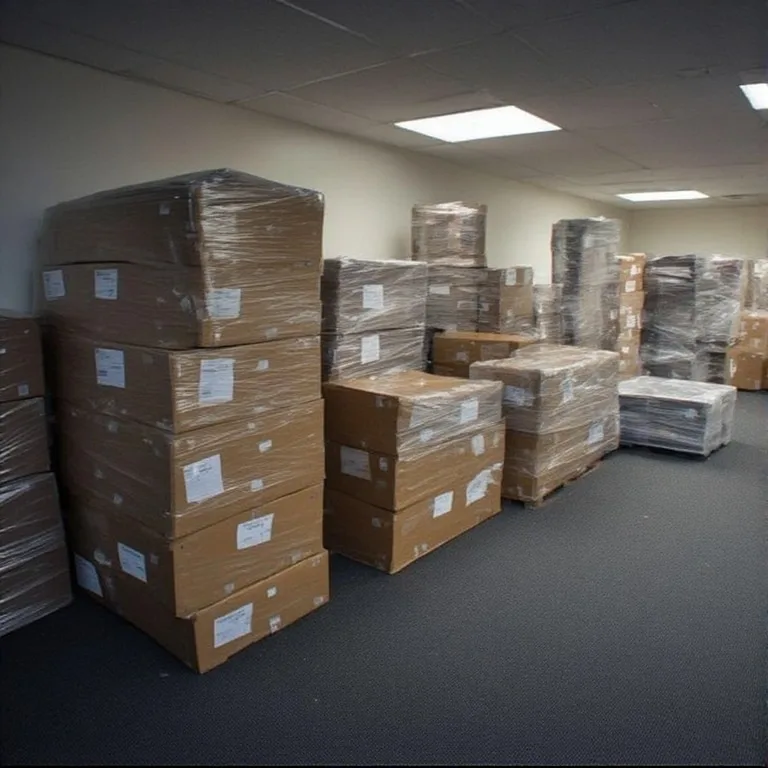
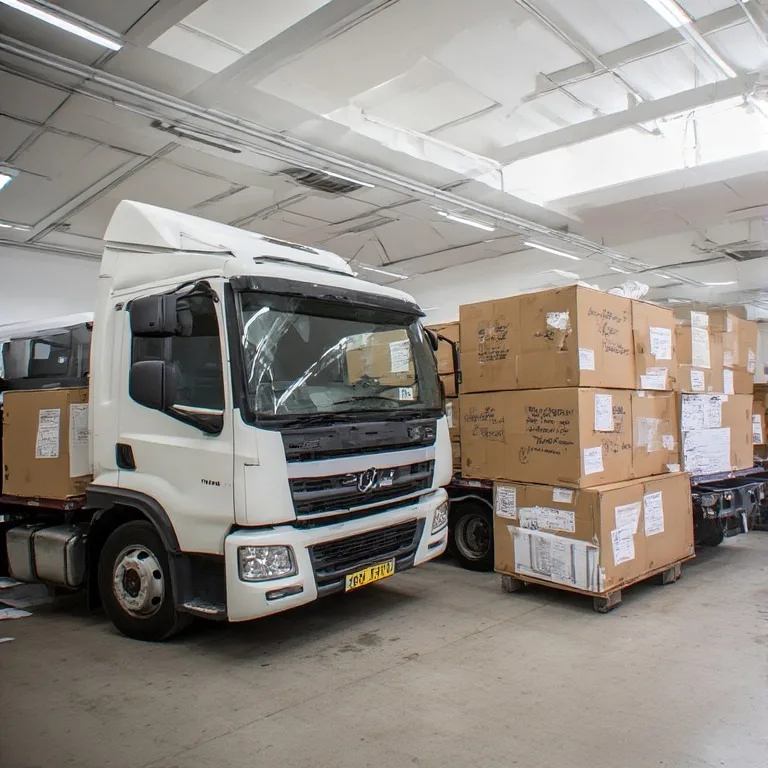

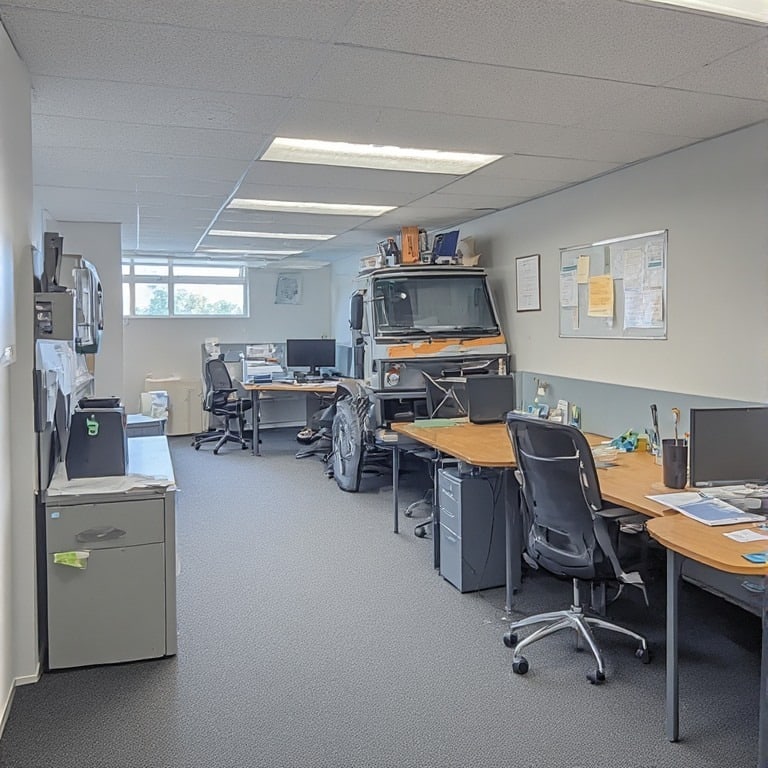
Our Guides to Office Clearances
Office clearances involve far more than simply removing desks and chairs. They require planning, organisation, compliance and careful timing to avoid disrupting staff, clients and neighbouring businesses. That is why we have developed a comprehensive range of guides specifically designed to support office clearances of all sizes. These guides help you prepare properly, reduce risk and keep your project running smoothly from start to finish.
Whether you are relocating, downsizing, refurbishing or closing a workspace, our guidance gives you the practical information needed to make informed decisions before booking a service.
Choosing the Right Approach
One of the first decisions in any office clearance is determining the most suitable removal method. Some projects benefit from staged waste management, while others require full, hands-on removal in a single visit. Our guide on how to choose the right skip explains how to assess waste volume and select the most appropriate option for your site.
For offices located in busy town centres or shared buildings, access planning is critical. Our guidance helps you think ahead about loading zones, parking and how to prevent unauthorised use of containers. You can read more about this in our guide on how to prevent others from using your skip, which is particularly relevant in commercial environments.
Understanding Waste Types in Office Clearances
Office clearances generate mixed waste, including furniture, metal, wood, plastics, packaging and electronic equipment. Our guides explain what can and cannot be disposed of in standard containers, helping you avoid delays and compliance issues. Our what can and can't go in a skip guide provides clear, straightforward advice on permitted materials.
Proper waste separation improves recycling rates and keeps projects compliant. Our guidance encourages businesses to identify reusable items, recyclable materials and general waste early in the process.
Compliance and Responsible Disposal
Office clearances must be handled in line with waste regulations. Businesses have a duty of care to ensure waste is transferred to licensed carriers and processed responsibly. Our guide on what is a waste carrier license explains why this matters and how to check that your provider is compliant.
We also provide transparent information about what happens once waste leaves your premises. Our recycling page outlines how materials are sorted and processed, giving businesses confidence that their office clearance supports responsible waste management.
Reducing Disruption to Your Business
Many office clearances need to happen alongside normal operations. Our guides include advice on scheduling, phased clearances and coordinating removals outside peak hours to minimise downtime. Careful planning ensures staff can continue working while clearance work progresses safely in the background.
A Practical Resource for Office Managers and Business Owners
Our office clearance guides are written using real-world experience from commercial projects across Surrey and Sussex. They are designed to answer common questions, prevent avoidable problems and help you approach your office clearance with clarity.
By combining practical guidance with professional clearance services, we make office clearances easier, safer and more efficient from the very beginning.