

Guides and Advice for Construction Removals
Construction removals are a key part of keeping building projects safe, organised and on schedule. Whether you are working on a small domestic renovation or a larger construction site, waste can build up quickly and create problems if it is not managed properly. That is why we have developed a set of clear, practical guides focused specifically on construction removals.
Our construction removal guides are designed to help you understand how to manage waste throughout a project, not just at the end. They explain what to plan for, how to avoid common issues, and how to keep sites workable from the first day through to completion.
Why construction removals need careful planning
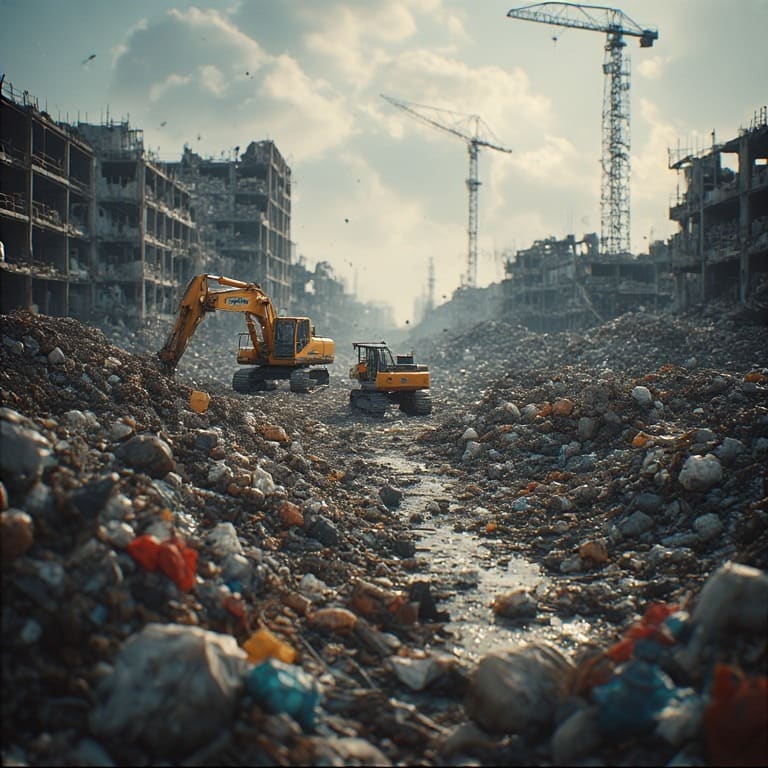
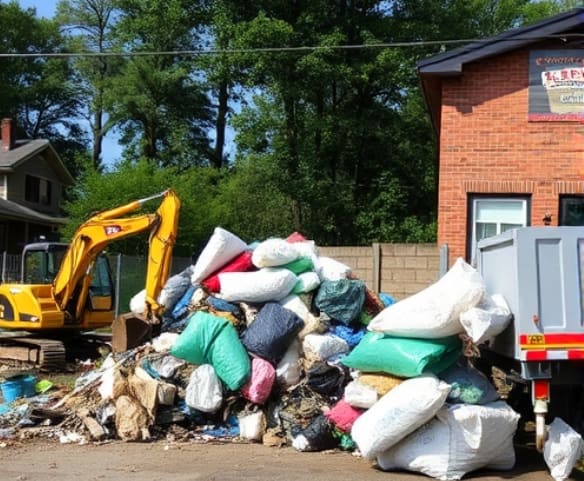
Unlike general clearances, construction waste is often heavy, mixed and generated in stages. Materials such as timber, rubble, plasterboard, packaging and fixtures can quickly take over a site if there is no clear removal plan in place.
Our guides focus on helping you:
- Plan waste removal alongside your build schedule
- Prevent work areas becoming cluttered or unsafe
- Reduce downtime caused by waste build-up
- Avoid unnecessary repeat handling of materials
- Keep access routes and working areas clear
Understanding construction waste types
Construction projects often produce a wide range of waste, and not all materials should be handled in the same way. Our guides explain how different waste streams are typically managed, including:
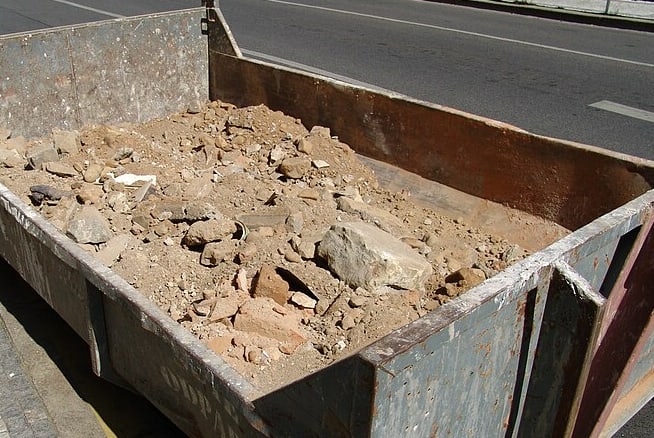
- Hardcore, rubble and concrete
- Timber, pallets and offcuts
- Plasterboard and dry lining waste
- Metal fixtures and fittings
- Packaging, plastics and general site waste
By understanding how waste is generated and handled, you can make better decisions about removal methods and avoid issues that slow projects down.
Choosing the right removal approach for your site
Not every construction project benefits from the same removal method. Some sites work best with frequent hands-on removals, while others benefit from having waste contained and cleared in stages.
Our guides help you decide when it makes sense to have waste removed as it is produced, and when it is more efficient to manage waste over a longer period. This can make a noticeable difference to site organisation, labour efficiency and overall safety.
Reducing risk on active construction sites
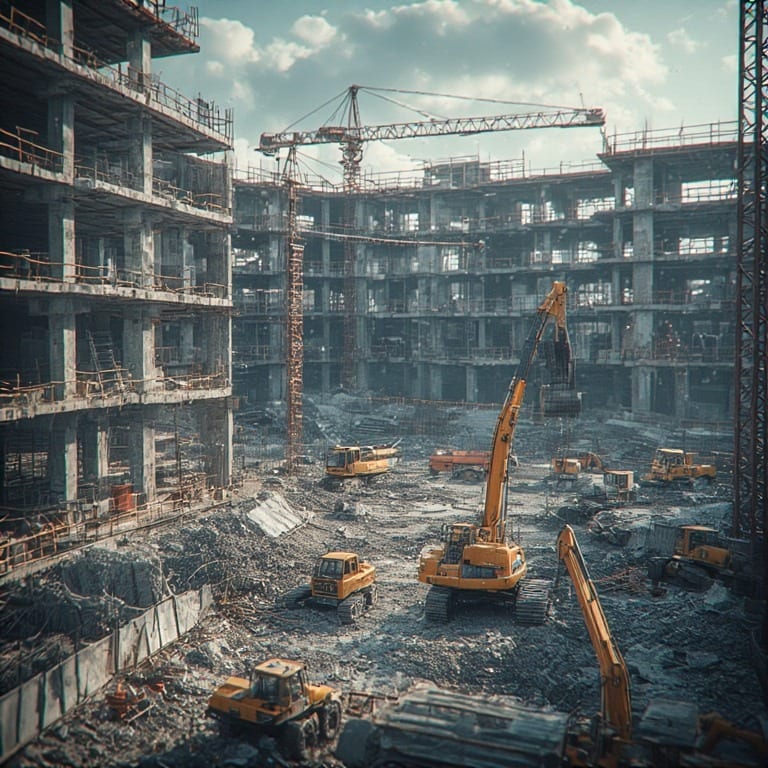
Waste left unmanaged on construction sites increases the risk of trips, falls and manual handling injuries. Our construction removal guides highlight practical steps to reduce these risks, including how to position waste areas, manage loading zones and avoid overfilled containers.
Clear guidance on site layout and waste flow helps keep construction areas safer for everyone involved.
Responsible handling and disposal
Construction waste must be handled responsibly and in line with regulations. Our guides explain why correct disposal matters and how waste should be processed once it leaves the site, including the role of recycling and material recovery.
Understanding this process helps ensure compliance and gives confidence that waste is being dealt with properly throughout the project.
Using our construction removal guides
Our construction removal guides are designed to be used before work starts and revisited as projects progress. They provide practical advice based on real site experience and common issues we see every day.
If you are planning a construction project and want to avoid unnecessary disruption, delays or safety issues, our guides are a valuable resource. If questions remain after reading, our team is always available to offer practical advice tailored to your site and timescale.