
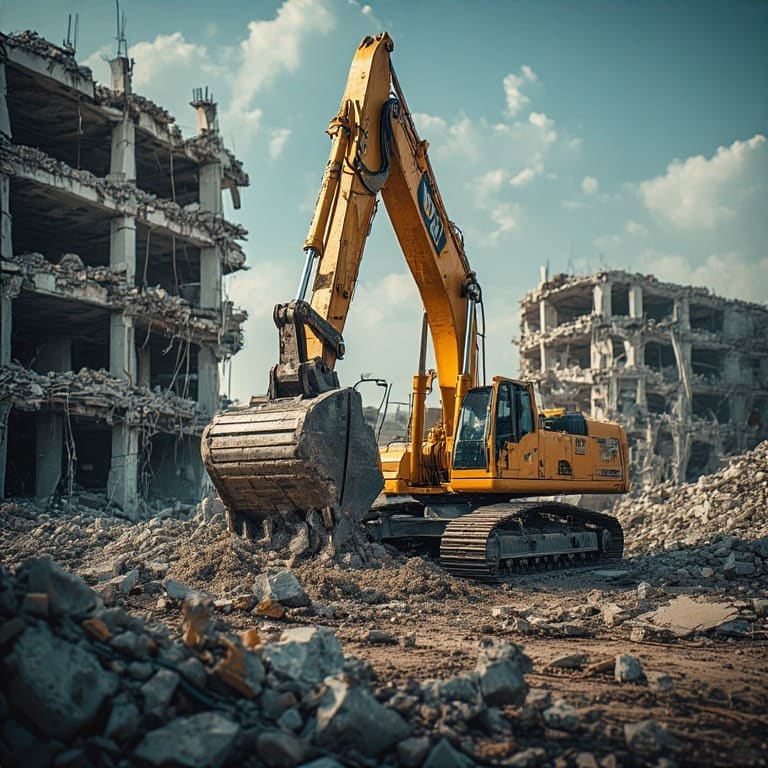
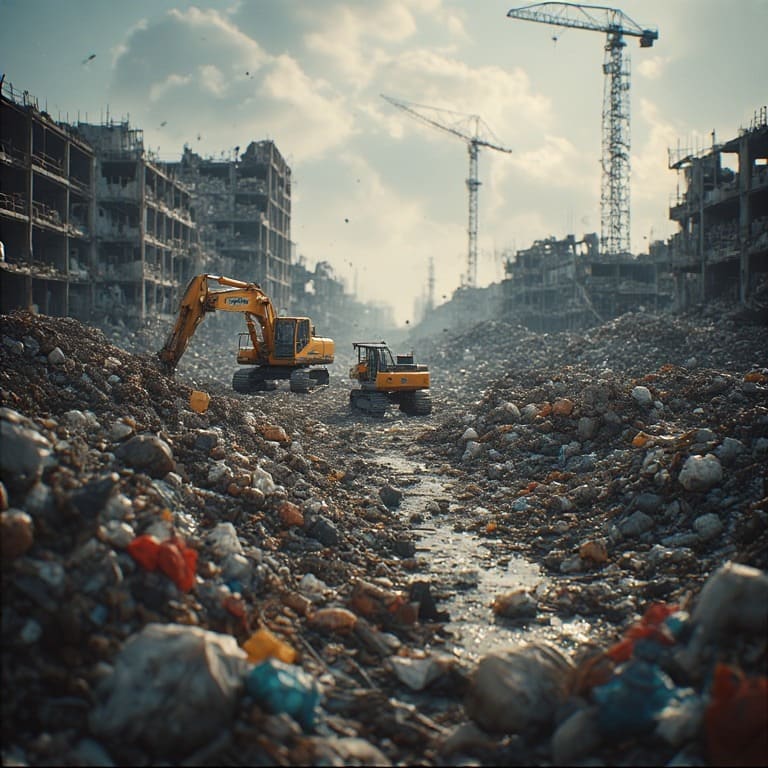
Guides and Advice for Demolition Clearances
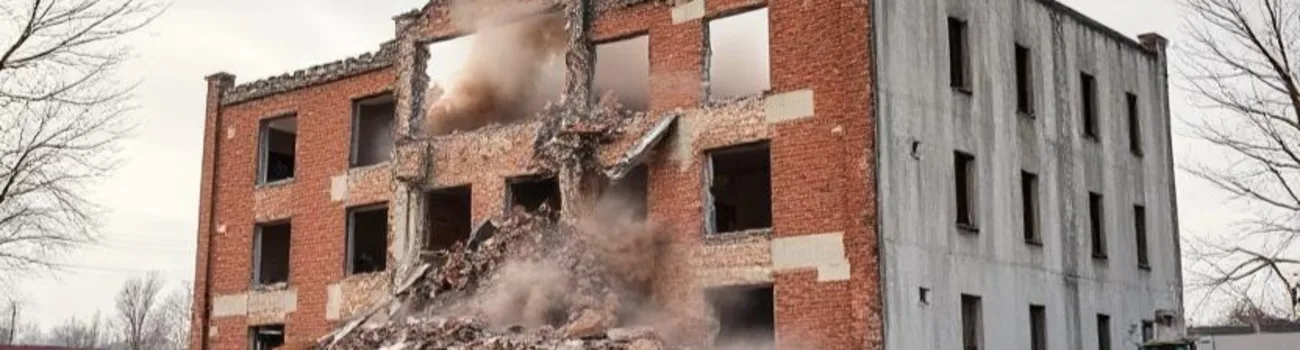
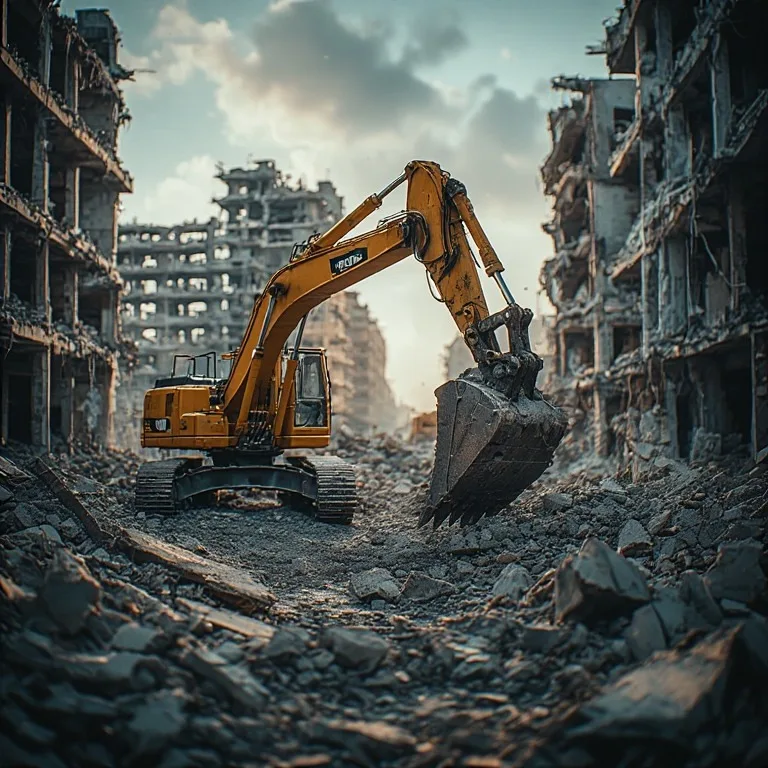
Demolition clearances require more planning and care than many other types of waste removal. Once a structure is taken down, waste builds up quickly and often includes heavy, mixed and awkward materials. To help customers manage this properly, we provide a range of guides and practical advice specifically designed to support demolition clearances and strip-out projects.
Our demolition clearance guides are written to help you understand what needs to happen before work starts, how waste should be handled during demolition, and how to keep sites safe, compliant and organised throughout the process.
Helping you plan demolition clearances properly
One of the most common problems with demolition clearances is poor planning. Without clear guidance, sites can quickly become unsafe or disorganised, leading to delays, additional costs and compliance issues.
Our guides cover key considerations such as:
- How to separate demolition waste types
- What materials can be cleared together and what needs separate handling
- How to plan access for removal vehicles
- Managing waste volumes during staged demolition
- Keeping work areas clear and safe
Supporting different types of demolition projects
Not all demolition clearances are the same. Some involve small domestic structures such as garages, sheds or extensions, while others relate to commercial strip-outs or partial building demolition. Our guidance helps customers choose the right approach for their specific project.
For example, some jobs benefit from hands-on removal as demolition progresses, while others are better suited to scheduled waste collection or container-based solutions. Our advice helps you understand when to use rubbish removals and when skip hire is more practical.
Keeping demolition sites compliant and controlled
Demolition waste must be handled responsibly. Our guides explain why using licensed waste carriers matters, how waste should be transported, and what happens once it leaves the site. This is especially important when dealing with materials such as concrete, timber, metal, fixtures and mixed construction waste.
Clear guidance on compliance helps reduce the risk of issues during inspections and ensures waste is processed correctly from the outset.
Advice that complements our demolition clearance services
Our demolition clearance guides are designed to work alongside the services we provide every day. Customers planning demolition projects often use our guidance before booking demolition services or arranging construction waste removals.
By understanding how demolition waste is managed in advance, customers can avoid delays, reduce site risks and keep projects moving smoothly.
Responsible disposal and recycling
Demolition clearances generate a high volume of recyclable material. Our guides explain how waste is sorted and processed to maximise recycling wherever possible. You can find more detail about our waste handling approach on our recycling page.
Use our demolition clearance guides before you start
If you are planning a demolition clearance, our guides are a valuable starting point. A clear understanding of waste handling, access planning and clearance options can make a significant difference once work begins. If you still have questions after reading, our team is always available to offer advice and recommend the most suitable solution for your project.