
Construction Site Clearance Checklist
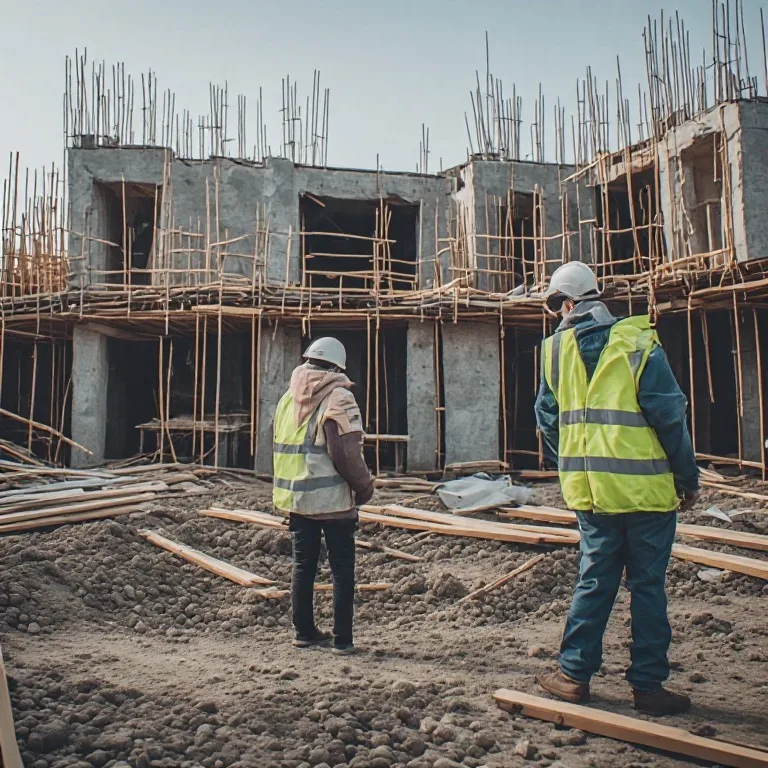
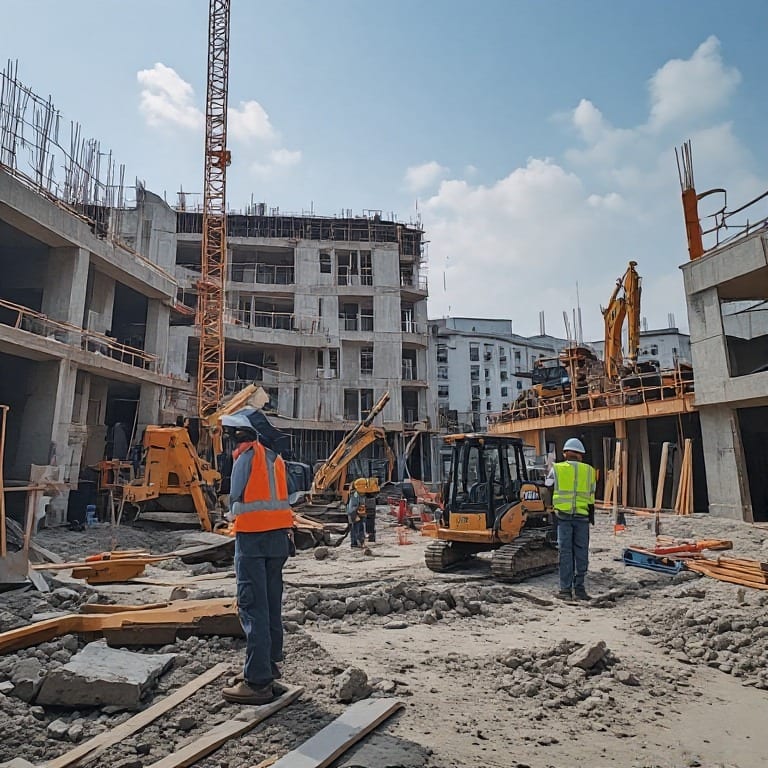
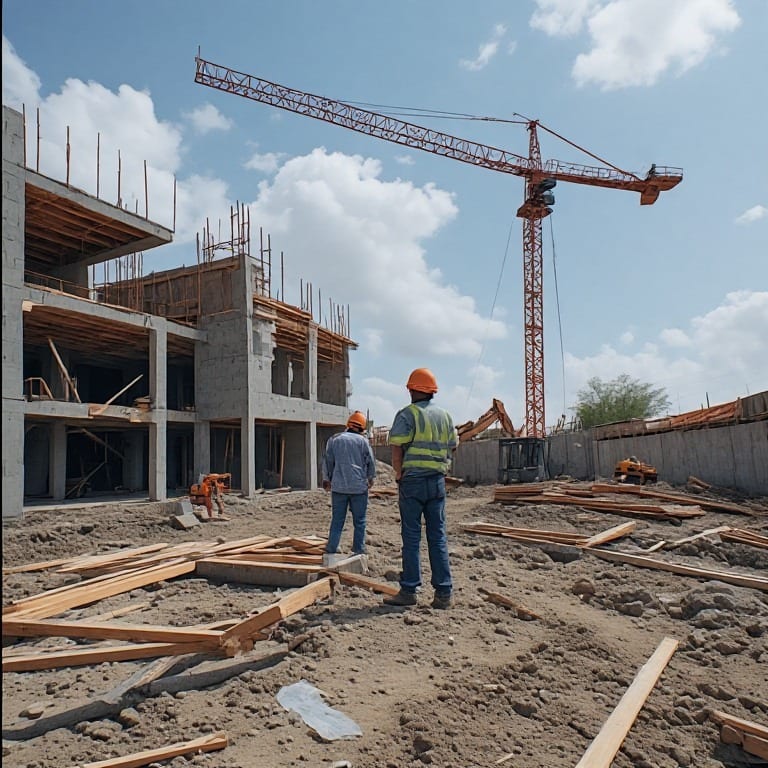
Construction site clearances are essential for keeping projects safe, organised and running efficiently. Whether you are preparing land for development, managing an active construction project or clearing waste after work has been completed, a structured checklist helps ensure the site remains accessible and compliant throughout every stage.
Construction waste can build up quickly if it is not managed properly. Rubble, timber, packaging, plasterboard, metal and mixed waste can create safety risks, reduce productivity and make working conditions far more difficult. A planned site clearance approach helps avoid unnecessary disruption and keeps projects moving forward.
1. Inspect The Entire Site
Before arranging any clearance work, carry out a full inspection of the construction site. This helps identify waste build-up, access restrictions and areas that may require specialist handling.
Site inspections should include:
- Working areas and active build zones
- Waste storage points
- Access roads and loading areas
- Unused construction materials
- Boundary areas and fencing
- Potential hazards or blocked routes
Our guide on what site clearance is and why it is necessary explains why proper waste planning is so important during construction projects.
2. Separate Different Waste Types
Construction sites usually generate several different waste streams. Separating materials before removal helps improve recycling opportunities and keeps the site more organised.
Common construction waste materials include:
- Concrete and hardcore
- Timber and wood offcuts
- Metal fixtures and scrap
- Packaging and cardboard
- Plasterboard and insulation
- Mixed construction waste
Our guide on construction waste segregation provides more detailed advice on organising site waste efficiently.
3. Keep Working Areas Clear
Construction waste should never be allowed to block access routes, fire exits or active working areas. Regular waste removal helps maintain safer conditions for trades, machinery operators and delivery vehicles.
Removing waste frequently also reduces delays caused by overcrowded workspaces and disorganised material storage.
4. Plan Waste Storage And Collections
Construction projects should always have designated waste collection areas. Planning these zones properly helps prevent unnecessary movement of materials around the site.
Important considerations include:
- Safe skip placement
- Vehicle access for collections
- Machinery movement routes
- Loading bay organisation
- Keeping emergency access clear
Depending on the size of the project, customers may use skip hire or roll-on roll-off skips to manage ongoing construction waste more effectively.
5. Remove Waste Regularly
Allowing construction waste to accumulate can quickly create safety hazards and reduce working efficiency. Scheduling regular waste collections helps maintain better organisation throughout the project.
Many contractors use construction waste removals throughout active projects to prevent waste build-up.
6. Identify Hazardous Or Specialist Materials
Some construction sites may contain hazardous or specialist materials that require separate handling. These materials should always be identified before disposal and kept separate from general waste wherever possible.
Proper waste segregation helps improve safety and prevents contamination of recyclable materials.
7. Prioritise Recycling
Many construction waste materials can be recycled, including timber, metal, cardboard and hardcore. Recycling helps reduce landfill waste and supports more sustainable building practices.
Our waste hierarchy guide explains why recycling and reuse should always be considered before disposal.
You can also learn more about our waste processing approach on our recycling page.
8. Maintain Site Safety
Poor waste management can create trip hazards, blocked access routes and unsafe working conditions. Construction sites should remain organised throughout every phase of the project.
Our guide on the dangers of waste management and recycling explains some of the risks associated with unmanaged construction waste.
9. Use Licensed Waste Carriers
Construction waste should always be removed and processed responsibly. Using licensed waste carriers helps ensure waste is handled legally and reduces the risk of improper disposal.
Our guide on what is a waste carrier licence explains why this is important for contractors and construction businesses.
Professional Construction Site Clearance Services
Taylors Skip Hire provides site clearances, construction waste removals and skip hire services across Surrey, Sussex and surrounding areas. Whether you are preparing a development site, managing an active build or clearing waste after completion, our team can help keep your project organised and efficient.
To learn more about our services, visit our site clearance page or contact our team for practical advice on your project.