
Fly-Tipping Clearance Guide
Fly-tipping can create serious problems for homeowners, businesses, landlords and landowners. Illegal dumping not only makes properties and outdoor spaces look neglected, but it can also create health risks, block access routes and attract further waste if it is not removed quickly.
Whether the waste has been dumped on private land, near a commercial premises, beside a driveway or on a construction site, acting quickly helps prevent the problem from getting worse. This guide explains how to approach fly-tipping clearances safely and responsibly.
What Is Fly-Tipping?
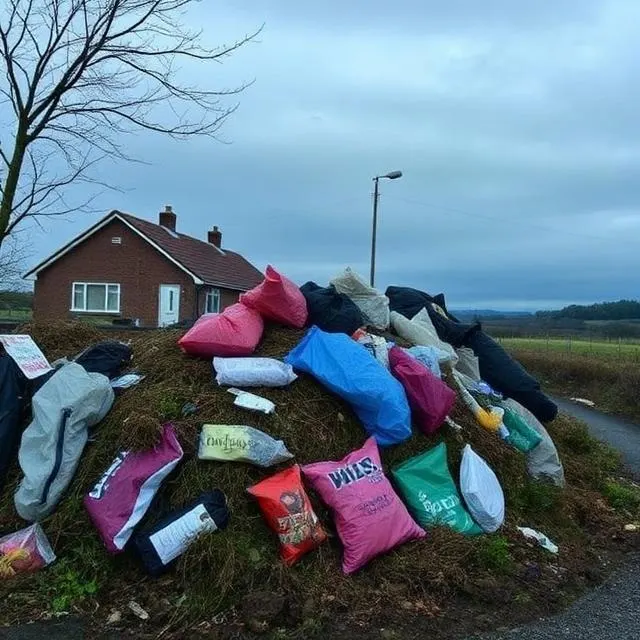
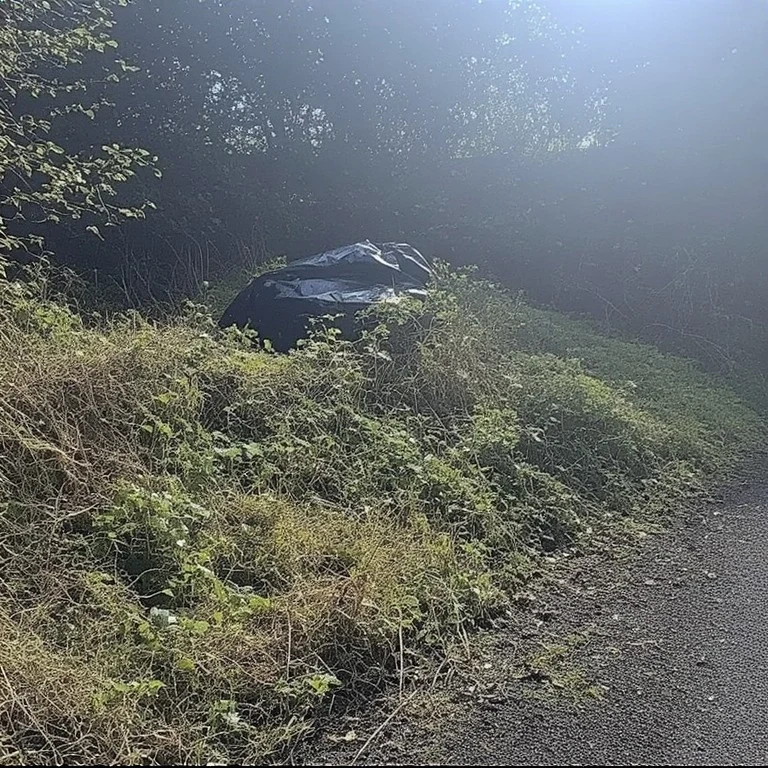
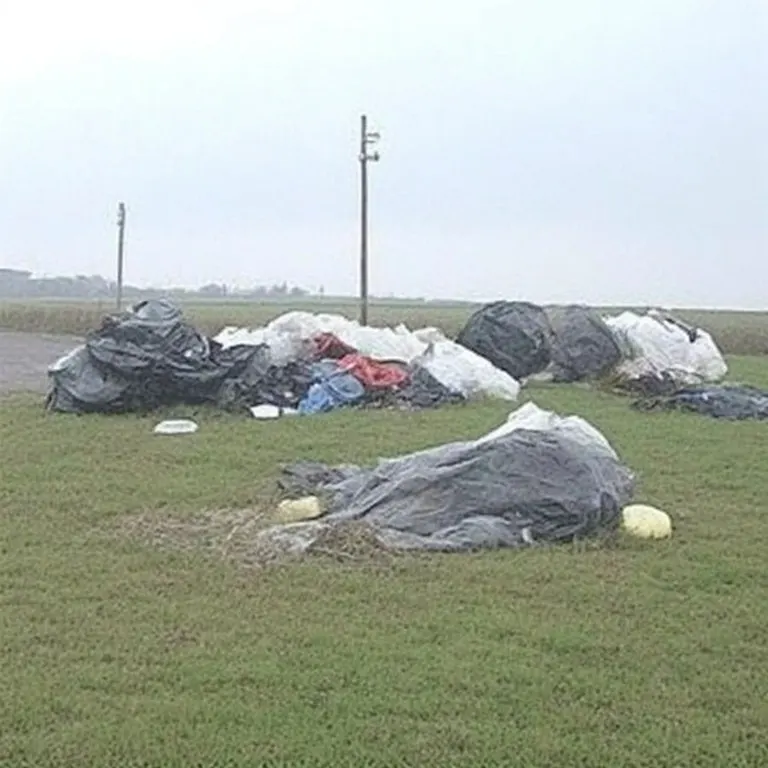
Fly-tipping is the illegal dumping of waste on land that is not authorised for waste disposal. The waste involved can vary significantly, from a few bags of rubbish to large amounts of construction debris, furniture or commercial waste.
Common examples of fly-tipped waste include:
- Household rubbish
- Furniture and mattresses
- Garden waste
- Construction rubble and timber
- Electrical items
- Tyres and mixed waste
Do Not Handle Hazardous Waste Without Proper Assessment
Some fly-tipped waste may contain hazardous or dangerous materials. Sharp objects, chemicals, broken glass or contaminated waste can create health and safety risks if handled incorrectly.
Before beginning a clearance, inspect the waste carefully and avoid moving suspicious materials without proper advice or equipment.
Our guide on the dangers of waste management and recycling explains some of the risks associated with uncontrolled waste.
Assess The Volume And Type Of Waste
The amount of waste involved will usually determine the best clearance method. Small fly-tipping incidents may only require a hands-on collection service, while larger illegal dumping cases may need skip hire or multiple waste collections.
Commonly dumped materials should be separated where possible, especially recyclable items such as timber, metal and cardboard.
Choose The Right Waste Removal Option
Different fly-tipping situations require different solutions. Smaller incidents are often dealt with using rubbish removals, while larger waste volumes may require skip hire or roll-on roll-off skips for ongoing waste management.
For commercial or redevelopment sites, fly-tipping clearances are often combined with site clearance services to prepare the area properly for future work.
Separate Recyclable Materials
Many fly-tipped materials can still be recycled or processed responsibly. Separating recyclable waste before disposal helps reduce landfill waste and supports more responsible waste management practices.
You can learn more about our waste handling process on our recycling page.
Prevent Future Fly-Tipping
Once waste has been removed, property owners should consider steps to reduce the risk of future fly-tipping. Areas that appear neglected or inaccessible are often more likely to attract illegal dumping.
Useful preventative measures may include:
- Improving lighting around access areas
- Installing barriers or gates
- Clearing waste quickly
- Keeping sites tidy and maintained
- Monitoring vulnerable access points
Use Licensed Waste Carriers
Fly-tipped waste must be removed and processed responsibly. Using licensed waste carriers helps ensure waste is handled legally and reduces the risk of further improper disposal.
Our guide on what is a waste carrier licence explains why this is important when arranging waste removal services.
Commercial And Construction Site Fly-Tipping
Construction sites, industrial areas and vacant commercial premises are common targets for fly-tipping. Large volumes of illegally dumped waste can delay projects and create access problems for contractors and machinery.
Businesses often combine fly-tipping clearances with construction waste removals and ongoing waste management support to keep sites organised and compliant.
Professional Fly-Tipping Clearance Services
Taylors Skip Hire provides fly-tipping clearances, rubbish removals and waste management services across Surrey, Sussex and surrounding areas. Whether you are dealing with a small illegal dumping incident or large-scale waste removal on private land or commercial property, our team can help clear the area safely and efficiently.
To learn more about our services, visit our fly-tipping clearances page or contact our team for practical advice on your clearance requirements.