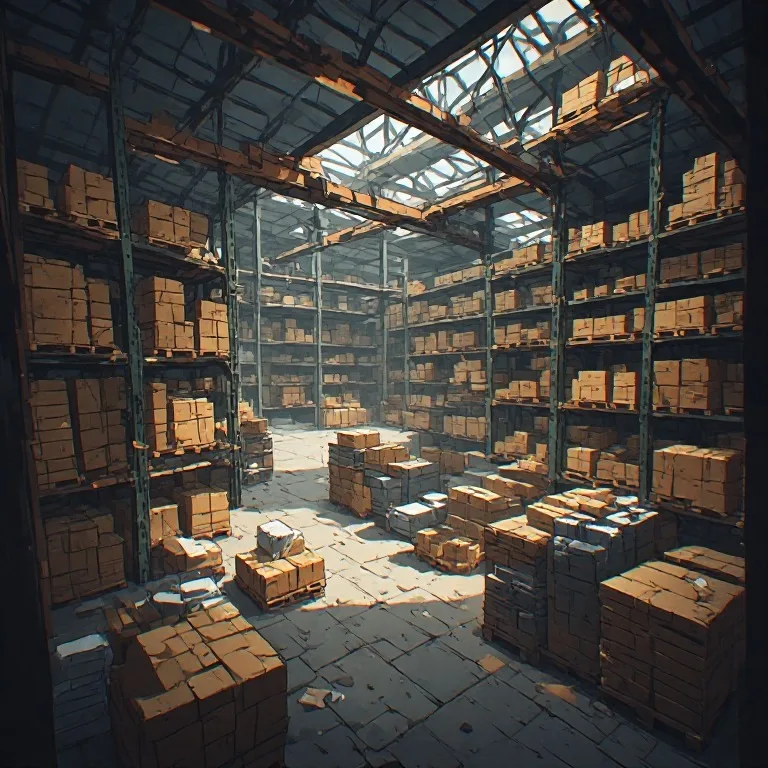

Warehouse Clearance Guide
Warehouse clearances require careful organisation, particularly when large volumes of stock, shelving, packaging, machinery and waste materials are involved. Whether you are relocating operations, reorganising storage space, closing a warehouse or preparing the site for redevelopment, proper planning helps the clearance run safely and efficiently.
Warehouses can accumulate significant amounts of waste over time, especially in storage areas that are not used regularly. A structured approach helps businesses reduce disruption, improve safety and keep projects on schedule.
Start With A Full Warehouse Assessment
Before arranging a warehouse clearance, inspect the entire site carefully. Walk through storage aisles, loading bays, office areas, mezzanines and external spaces to identify what needs to be removed.
Common materials found during warehouse clearances include:
- Pallets and packaging waste
- Storage racking and shelving
- Damaged stock and materials
- Electrical equipment
- Office furniture
- General rubbish and mixed waste
Our guide on sorting and organising before a clearance explains how preparation can improve efficiency during large commercial projects.
Create A Structured Clearance Plan
Large warehouse clearances should usually be divided into stages rather than handled all at once. Breaking the project into sections helps maintain safer working conditions and keeps important access routes clear.
Businesses should plan:
- Which warehouse areas will be cleared first
- How stock and equipment will be separated
- Where waste will be stored temporarily
- Vehicle and loading access
- Whether operations need to continue during the clearance
Separate Reusable Stock And Equipment
Not everything removed during a warehouse clearance should automatically be treated as waste. Shelving systems, pallets, storage equipment and surplus stock may still have reuse or resale value.
Our guide on reduce, reuse and recycle explains why reusable materials should be separated before disposal wherever possible.
Manage Packaging And Mixed Waste Properly
Warehouses often generate large amounts of cardboard, plastics, timber and packaging waste during clearances. These materials can build up quickly and create access or safety issues if they are not removed regularly.
Businesses frequently combine warehouse clearances with trade waste removals to help manage ongoing waste throughout the project.
Check For Electrical And Specialist Waste
Warehouse clearances may involve electrical equipment such as computers, scanners, lighting systems or damaged machinery. These materials should be separated from general rubbish wherever possible.
Our guide to WEEE regulations for businesses explains how electrical waste should be handled during commercial clearances.
Keep Access Routes Clear
Safety is especially important during warehouse clearances due to the movement of vehicles, pallets and bulky waste. Fire exits, loading bays and pedestrian routes should remain clear throughout the project.
Waste should be removed regularly to prevent unnecessary build-up and maintain safer working conditions.
Choose The Right Waste Removal Solution
The best waste management solution depends on the size of the warehouse and the volume of waste involved. Smaller clearances may benefit from rubbish removals, while larger projects often require skip hire or roll-on roll-off skips for higher waste volumes.
If refurbishment or redevelopment work is continuing after the clearance, businesses may also need construction waste removals to support the next phase of the project.
Recycle Wherever Possible
Warehouse clearances often produce large amounts of recyclable material, including cardboard, timber, plastics and metal. Responsible waste handling helps reduce landfill waste and supports more sustainable commercial operations.
You can learn more about our waste processing approach on our recycling page.
Use Licensed Waste Carriers
Businesses are responsible for ensuring waste is removed and processed correctly. Working with licensed waste carriers helps ensure compliance and reduces the risk of improper disposal.
Our guide on what is a waste carrier licence explains why this is important for warehouse and commercial waste projects.
Professional Warehouse Clearance Support
Taylors Skip Hire provides warehouse clearances, commercial waste removals and rubbish collection services across Surrey, Sussex and surrounding areas. Whether you are clearing a storage facility, distribution unit or warehouse space, our team can help keep the project organised, compliant and efficient.
To learn more about our commercial services, visit our commercial clearances page or contact our team to discuss your warehouse clearance requirements.