
Skip Weight Limits: How Much Soil and Rubble Can a Skip Hold?
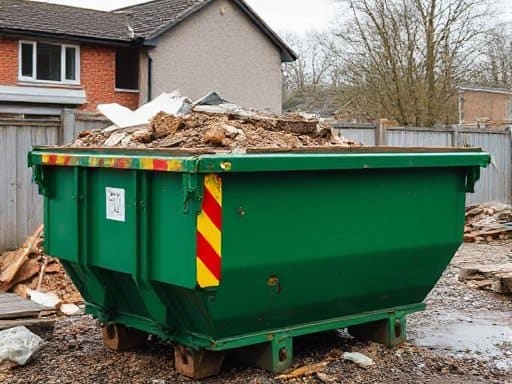
Skips are measured by volume, in cubic yards, but heavy waste such as soil, rubble and concrete can reach a safe lifting weight long before a skip looks full. As a rough guide, a cubic yard of loose soil or rubble weighs well over a tonne, so a skip filled to the top with heavy material can weigh several tonnes. That is why the right skip for heavy waste is usually a smaller one.
Volume and Weight Are Not the Same Thing
A skip full of old furniture, packaging or garden prunings can be surprisingly light, while the same skip filled with soil could weigh many times as much. Skip lorries can only lift so much safely and legally, so the size of skip you choose should depend on what you are putting in it, not just how much. If you are digging out a garden, breaking up a patio or knocking down a wall, the weight of the waste is the deciding factor.
Weight Limits by Skip Size
Our smaller skips, from the 2 yard mini skip up to the 8 yard builder's skip, are suitable for heavy waste and come with unlimited weight, subject to safe and legal loading. This means they must be loaded level with the sides and not packed so densely that they cannot be lifted safely. Our 10 and 12 yard skips have a two-tonne weight limit, so they are designed for bulky, lighter waste rather than soil or hardcore, and the 14 yard skip is intended for the largest loads of light, bulky rubbish.
Which Skip Is Best for Soil and Rubble?
For heavy waste, a mini, midi or builder's skip is almost always the right choice. A 4 or 6 yard skip is ideal for garden landscaping, patio removal and smaller building jobs, and an 8 yard skip suits larger renovations with mixed heavy waste. If you have a large amount of soil or rubble, it is usually better to book two smaller skips, or an exchange, than one large skip that would be too heavy to lift.
Why Overloading Is a Problem
A skip that is too heavy, or filled above the sides, cannot be collected safely. Our driver may have to remove some waste before lifting it, which can delay collection and add to the cost. Our guide on what happens if a skip is overloaded explains the rules on fill levels in more detail.
Tips for Loading Heavy Waste
Spread heavy material evenly across the skip rather than piling it at one end, as an unbalanced skip is harder to lift. Keep soil and rubble separate from lighter mixed waste where you can, as clean inert waste is easier to recycle. In wet weather, soil and broken plasterboard absorb water and become heavier, so covering the skip helps. Finally, remember that some heavy items, including asbestos cement and plasterboard, need to be kept apart from general waste, as our guide on what you can put in a skip explains.
Not Sure What You Need?
Tell us what you are getting rid of and roughly how much, and we will recommend the right size. You can also compare every size and price in our guide on how much skip hire costs.