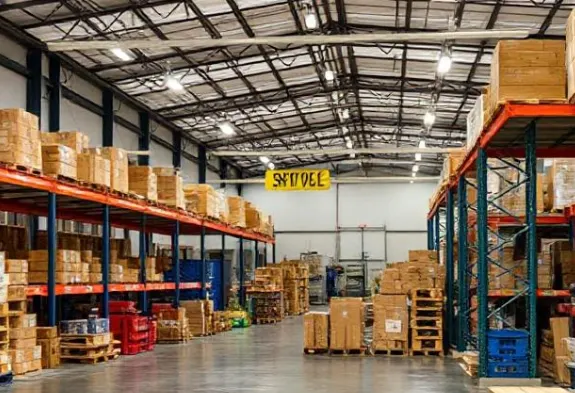

Factory Clearance Planning
Factory clearances require careful planning, particularly when large volumes of waste, machinery, storage systems and industrial materials are involved. Whether a factory is closing, relocating, being refurbished or prepared for redevelopment, a structured clearance plan helps keep the project safe, efficient and compliant.
Industrial clearances are often more complex than standard commercial clearances due to the scale of the site and the variety of materials that may need removing. Proper organisation before work begins helps reduce downtime, improve safety and prevent unnecessary disruption.
Assess The Site Before Starting
The first step in factory clearance planning is carrying out a full site assessment. Walk through all production areas, storage spaces, offices, loading bays and external areas to identify what needs removing.
Common materials found during factory clearances include:
- Industrial shelving and storage systems
- Machinery and equipment
- Packaging waste
- Metal, timber and mixed materials
- Electrical equipment
- General rubbish and accumulated waste
For larger industrial projects, our guide on sorting and organising before a clearance can help businesses prepare more effectively.
Create A Clearance Schedule
Large factory clearances should be broken into manageable stages wherever possible. Planning the clearance in sections helps maintain safer working conditions and prevents waste from building up too quickly across the site.
Businesses should decide:
- Which areas will be cleared first
- What equipment must remain operational
- How waste will be removed
- Where loading areas will be located
- Whether work needs to happen outside normal operating hours
Identify Hazardous And Specialist Waste
Industrial sites may contain specialist waste that requires careful handling. Oils, chemicals, damaged electrical equipment or industrial materials should always be identified before the clearance begins.
Businesses should also review any relevant regulations before removal work starts. Our guide on commercial waste disposal regulations explains some of the responsibilities businesses need to consider.
Separate Recyclable Materials
Factory clearances often produce large quantities of recyclable materials, including metal, timber, cardboard, plastics and electrical components. Separating these materials early can improve recycling rates and reduce landfill waste.
Our waste hierarchy guide explains why reuse and recycling should be prioritised wherever possible.
You can also learn more about how materials are processed on our recycling page.
Plan Vehicle Access And Loading Areas
Factory clearances usually involve heavy waste movement and regular vehicle access. Businesses should plan where skips, waste collections and loading areas will be positioned before work begins.
Important considerations include:
- Safe vehicle routes
- Loading bay access
- Forklift and machinery movement
- Pedestrian safety
- Keeping fire exits and emergency routes clear
For projects requiring high-capacity waste storage, roll-on roll-off skips can provide an efficient solution for managing industrial waste volumes.
Choose The Right Waste Removal Service
Some factory clearances require full hands-on removal teams, while others benefit from staged waste management using skips or containers.
Businesses often combine factory clearances with trade waste removals, construction waste removals or rubbish removals depending on the project requirements.
Think About Site Safety Throughout The Clearance
Industrial clearances can create hazards if waste is allowed to accumulate or access routes become blocked. Maintaining safe working conditions throughout the project is essential.
Waste should be removed regularly, loading areas should remain organised and clearance zones should be clearly identified where possible.
Use Licensed Waste Carriers
Businesses are responsible for ensuring industrial waste is removed legally and processed correctly. Using licensed waste carriers helps ensure compliance and protects businesses from improper disposal.
Our guide on what is a waste carrier licence explains why this matters during factory and industrial clearances.
Professional Factory Clearance Support
Taylors Skip Hire provides commercial clearances, industrial waste management and rubbish removals across Surrey, Sussex and surrounding areas. Whether you are clearing a factory, warehouse or industrial unit, our team can help you manage the project safely and efficiently.
To learn more about our commercial services, visit our commercial clearances page or contact our team to discuss your factory clearance requirements.