
Digital Waste Tracking Explained
Digital waste tracking is a new government service that records where waste goes, from the moment it is collected to where it is finally recycled or disposed of. It became mandatory for sites that receive waste in England and Wales from 1 October 2026, with Scotland and Northern Ireland following from January 2027. Waste collectors, including carriers, brokers and dealers, are expected to be brought into the service in a second phase from spring 2027.
Why Is Digital Waste Tracking Being Introduced?
Until now, most waste movements have been recorded on paper or in separate systems, which makes it hard to see the full journey of a load of waste. That gap has been exploited by waste criminals, who take waste for cash and then dump it or move it illegally. A single digital record makes it far easier for regulators to spot waste that goes missing, and gives everyone in the chain better evidence that waste has been handled properly.
Who Has to Use It and When?
The first phase applies to permitted and licensed sites that receive waste, such as transfer stations, recycling facilities and landfill sites. They must record each load they receive and submit the details within two working days. The second phase, expected from spring 2027, will extend the service to those who collect and transport waste. Householders do not need to use the service themselves.
Do Waste Transfer Notes Still Apply?
Yes, for now. Until further notice, the existing paperwork, including waste transfer notes for business waste and consignment notes for hazardous waste, still needs to be completed alongside the new digital records. If you are a business that produces waste, you should continue to keep your transfer notes for at least two years. Our guide to waste transfer notes explains what they need to include.
What Does It Mean for Our Customers?
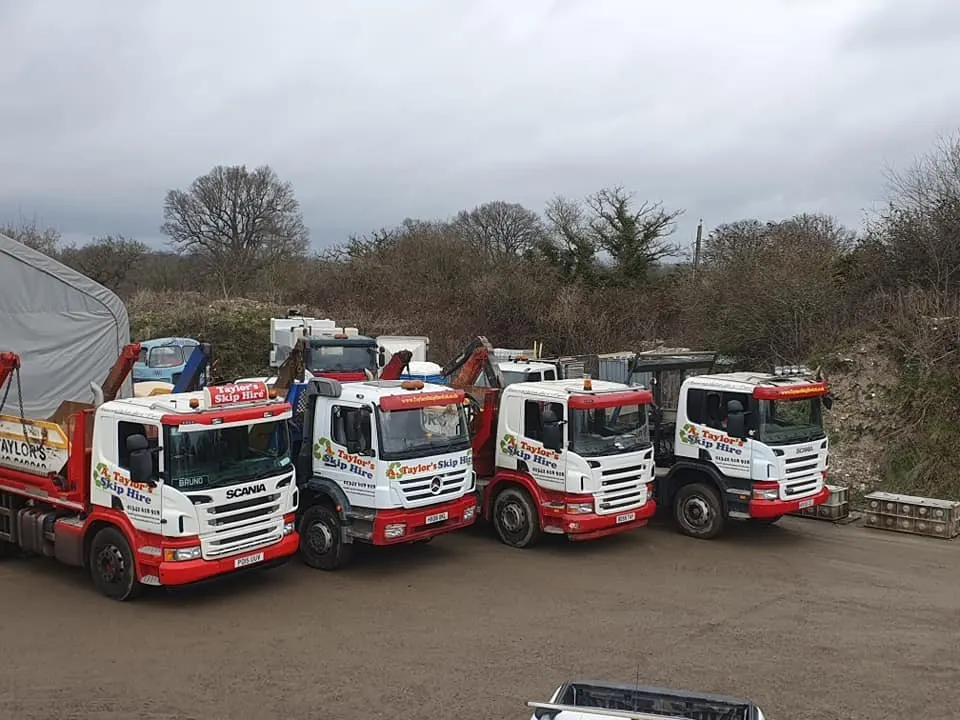
For most households hiring a skip or booking a clearance, very little changes day to day. The waste we collect is already taken to our Horley picking station for sorting and then sent on for recycling or disposal, and digital tracking adds a clearer record of that journey. For trade and commercial customers, it is a good time to check that whoever handles your waste is properly licensed and keeps accurate records, as the rules are tightening across the industry. Changes to how waste carriers are licensed are covered in our guide on waste carrier permit changes.
Keeping Your Business Compliant
Businesses have a legal duty of care to make sure their waste is passed only to authorised people and is properly described. Our guide to commercial waste disposal regulations sets out the main responsibilities, and our trade waste removals service can help keep your site clear with the right paperwork in place.